
The Digital Ecosystem Around Typhoon Yagi
In September 2024, deadly Typhoon Yagi struck northern Vietnam, causing severe flooding and landslides. Vietnam’s internet lit up, with government agencies, news outlets, community pages, influencers, and users responding to the crisis with information, fundraising, and relief coordination.
A recent research paper looks at this digital ecosystem to see how these accounts moved information—not just top-down or bottom-up, but back and forth, up and down the stream. What it found can offer some useful lessons for nonprofits and other organizations trying to communicate during a crisis.
The paper tries to understand what happens to official information from governments and news sources once it enters social media and is consumed and transformed by influencers and users.
Creators take the information and transform it into content made to resonate with their own audiences, making it more culturally relevant, entertaining, and personal. Then audiences talk back to creators, contributing information and helping to mobilize a response. This feedback loop ultimately influences what news and government organizations talk about next, making the entire process one of co-creation instead of top-down broadcasting.
Creators and users aren’t the endpoint; they are actively helping to construct the narrative.
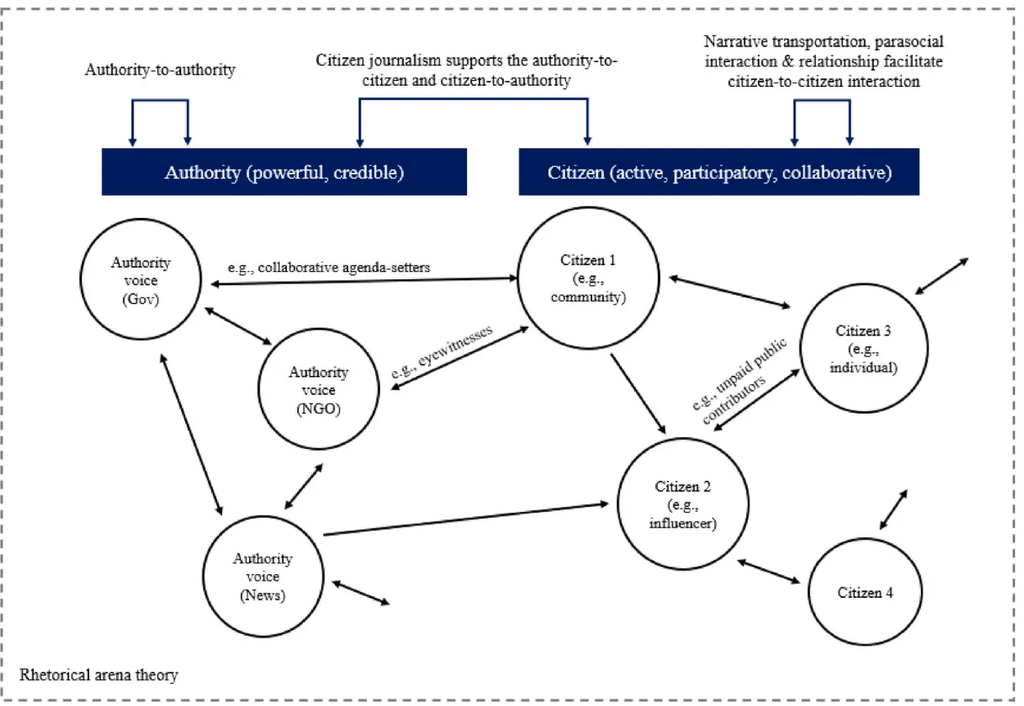
Fig. 1. Theoretical framework. Source: Page 5 of Study
From this figure, you’ll see that there are two broad groups. On the left are institutions like news organizations, governments, and NGOs. On the right are the non-institutions: users, creators, and community pages. The arrows show how information moves in almost all directions. The paper calls this a “rhetorical arena” that contains many voices and many forms of communication.
Influencers’ roles changed as the disaster developed. Early on, they shared more warnings, forecasts, and alerts. As the disaster played out, they told stories about victims, bringing a human face to a huge disaster. Finally, they focused on soliciting donations to aid relief efforts. The way creators told the story enabled audiences to participate throughout, so they were more likely to donate when the time came.
Some creators even acted like journalists, drawing on their informal authority to visit affected areas, amplify the conditions, and distribute aid. Beyond awareness, the study showed that in several cases, influencers and community pages became fundraising infrastructure, directly acquiring donations, reporting fund totals, and mobilizing followers to give more through content and by engaging in the comments.
So what if instead of asking, “Who are the creators who can distribute my message?” you asked, “How can this creator help connect us to a community we can begin a two-way relationship with?”
- Give creators the space to translate your messages into their own voice. Don’t be afraid of familiar language, humor, emotion, or old-fashioned storytelling.
- Listen after you distribute. For campaigns with longer runtimes, we actively analyze comments to understand how the campaign should evolve to address user feedback, interests, or anxieties in future content.
- Audiences are good, communities are better. Audiences receive content, but communities participate in it and engage beyond a like.
The social media ecosystem is evolving fast, transformed by AI and algorithms. Organizations that thrive in this era will decentralize their content operations to connect with real communities they work to activate online and off.