
A new study published in WIRED confirms what we have been building toward at People First for years. Persuasion does not scale through political creators. It scales through real people. Our own research points to the same conclusion.
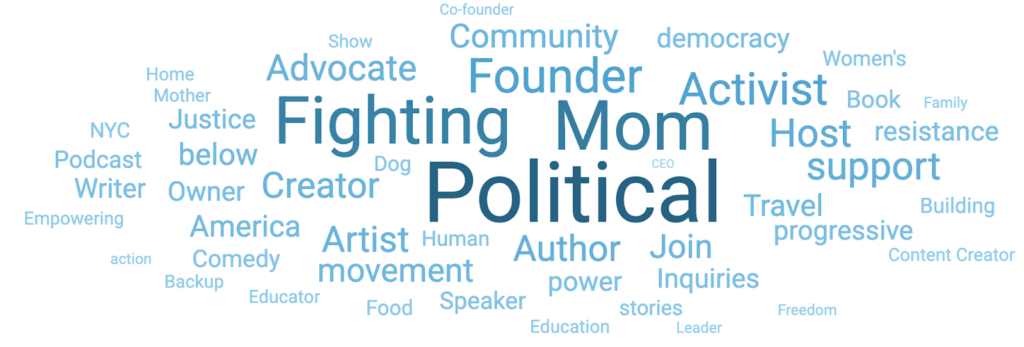
Followers of political creators tend to already share aligned views and engage primarily through a political lens. When we look closely at who these audiences are, we see a heavy concentration of established media figures and grassroots activists.
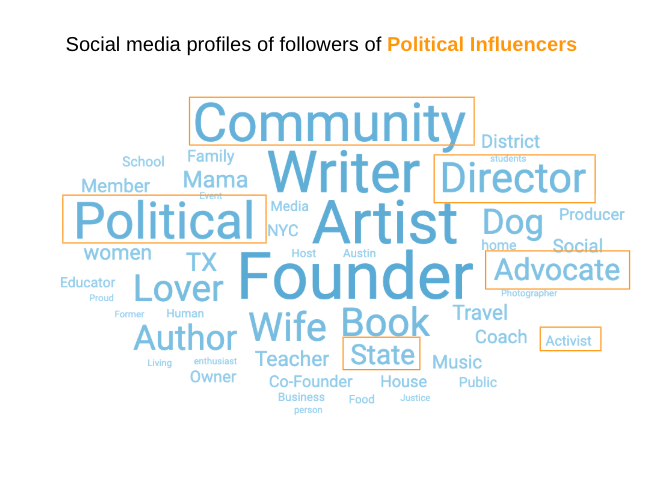
Many describe themselves as political communications or media professionals, political activists, or progressive content creators. This concentration reinforces echo chambers rather than expanding reach.
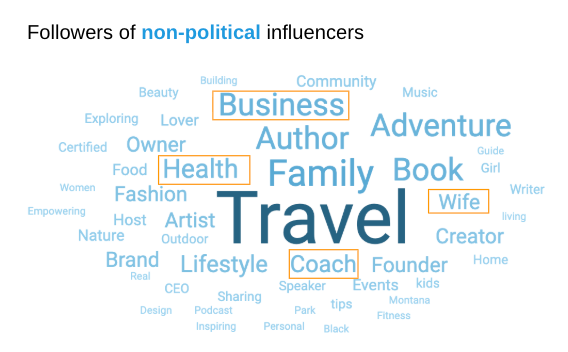
By contrast, followers of non-political creators reflect a far more varied mix. They include small business owners, coaches, health practitioners, and parents, among others.
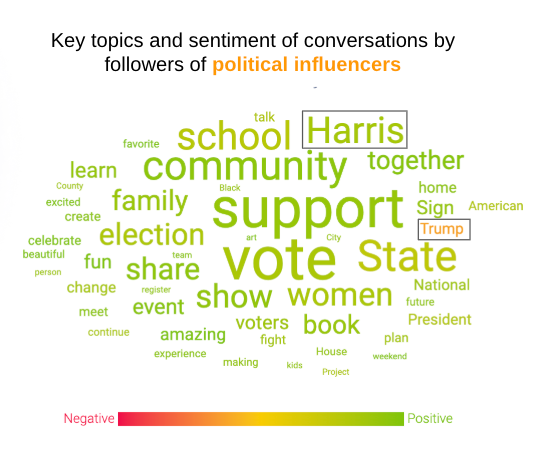
Their conversations are broader and more organic, spanning health and wellness, lifestyle decisions, personal milestones, and entertainment. Politics may surface, but it enters spaces where audiences are less guarded and more open to engagement.
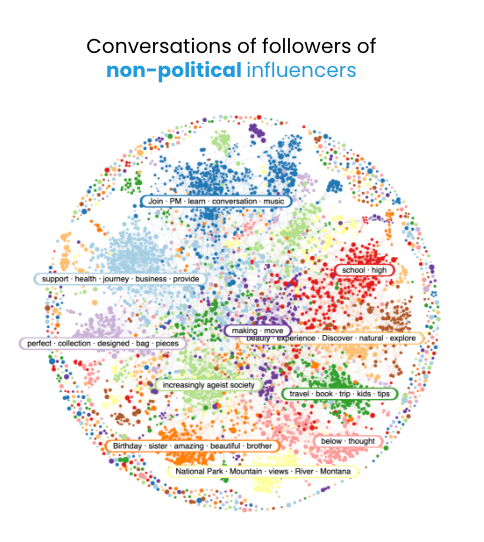
As a result, these creators are perceived as more credible and more informative. When political content appears, it works harder because it is grounded in trust rather than ideology. This is how influence actually moves online.
A clear example of this difference shows up when we compare the audiences of two creators with similar reach. @aaronparnas, a political creator, and @jacobmhoff, a non-political creator, both have roughly four million followers and primarily use face-to-camera content. On the surface, their formats look similar. Their audiences do not.
While @aaronparnas primarily reaches progressive, politically engaged women who are already active in political discourse.
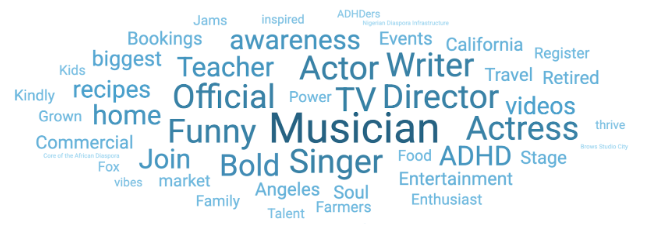
@jacobmhoff on the other hand, reaches people engaged with entertainment culture, individuals who share ADHD-related experiences, educators, and a wide range of other communities. With an audience composition that is broader, less ideologically concentrated, the more reflective it is of the voters campaigns consistently struggle to reach.
If we want to win the next election cycle, this is where investment needs to go. Not into louder political messaging, but into long-term partnerships with non-political creators who already reach the people campaigns continue to miss.