
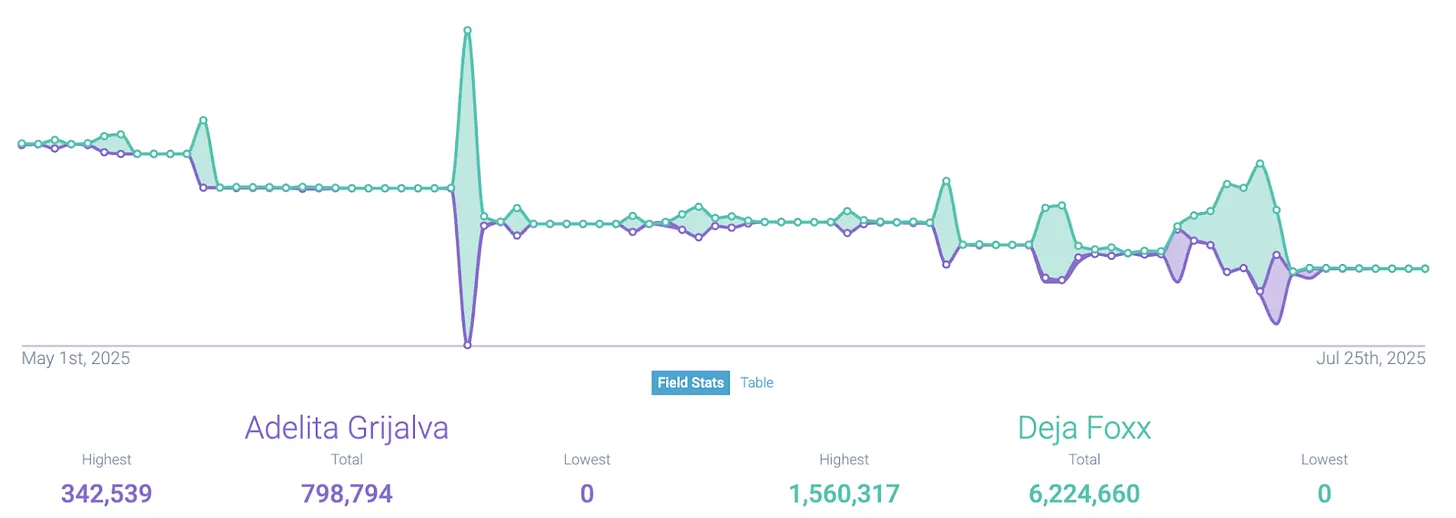
You can raise $700K online, dominate the conversation, and still lose. Deja Foxx’s campaign is a case study in digital reach without local depth.
When Influencers Run for Office: Lessons from Deja Foxx’s Campaign
In 2025, we’re seeing something new: influencers on the ballot. These are creators who’ve built real relationships with their communities, often by talking about complex issues in authentic and compelling ways.
Deja Foxx is one of the first to test this shift. At just 25 years old, she ran for Congress in Arizona’s 7th District. She lost her primary but what she built matters, especially for others considering this path.
A Campaign Built on Connection
Foxx ran a campaign rooted in transparency and identity. Her daily videos shared the highs and lows of campaigning as a first-time candidate. She talked openly about growing up in poverty and about her local advocacy for reproductive rights. Her approach wasn’t polished or traditional. It was honest. And it resonated.

That authenticity translated into real support: Foxx raised over $700,000 through 22,000 individual donations. No big PAC money. Just people who saw themselves in her story and wanted to help.
The Engagement Was There. The Votes Weren’t.
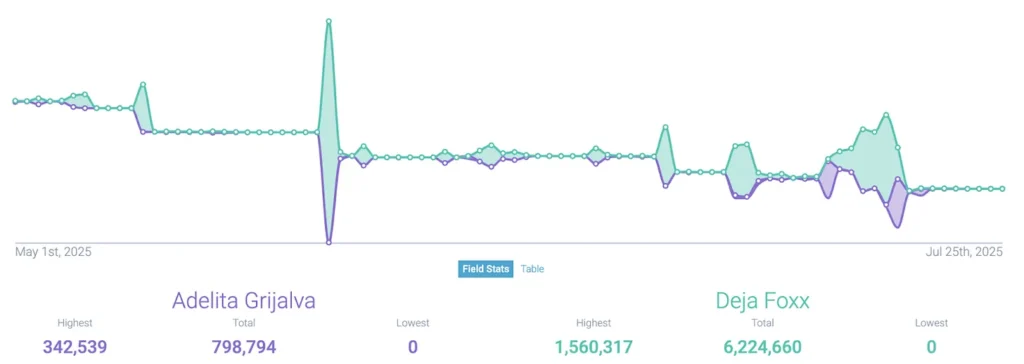
Online, Foxx dominated the conversation. Her name generated over 6.2 million engagements, far outpacing her opponent, Adelita Grijalva, who drew just under 800,000.
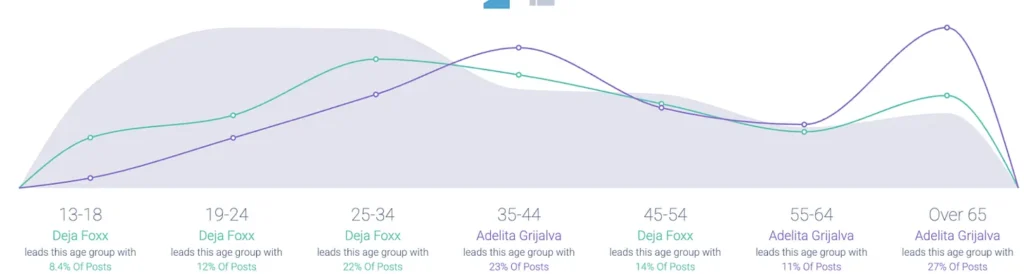
Foxx was especially popular among voters under 35, leading every age group from 13–34 in online mentions.
But when it came to turnout, the numbers told a different story. Nearly 25% of Democratic primary voters were over 65. Voters aged 25 to 34? Just 12% showed up.
Even her strongest digital supporters, many of whom didn’t live in the district, couldn’t convert online enthusiasm into local votes.
National Voice, Local Race
When you look at the bios of users talking about the race online, it’s clear that Adelita’s support was coming from Arizona (with “Arizona” as the most common word in their bios), while Deja’s support came from national activists.
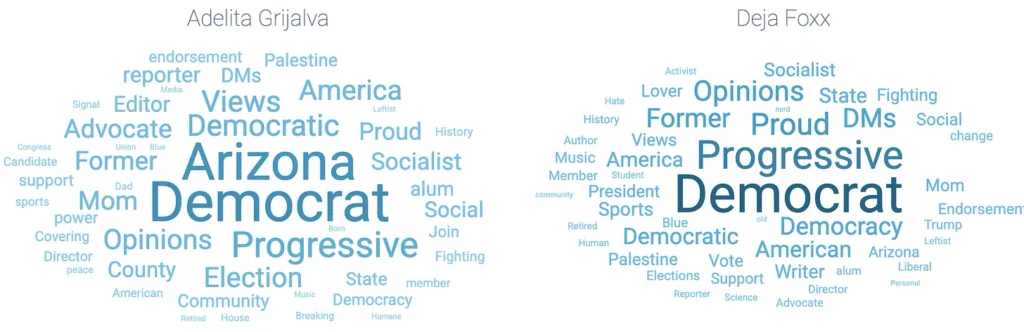
One clear theme from our analysis: Deja Foxx became a national figure running a local race. The word cloud above shows it clearly: while her opponent was talked about in terms of locality and community, Foxx was framed around values like democracy, progressivism, and youth identity.
Media coverage reinforced this, repeatedly referring to her as an “influencer” or “Gen Z candidate.” Even some supporters saw her as more of a movement leader than a district representative.

What Future Influencer-Candidates Can Learn
Foxx’s campaign offers key insights for the next generation of digital-native candidates:
- Digital presence is a launchpad. Foxx’s ability to raise $700,000 from individual donors shows the strength of a values-driven online community. Her campaign proved that influencer candidates can fundraise at scale when they lean into authenticity.
- Narrative can move people. Ground game moves votes. Foxx shared her story with vulnerability and clarity, driving national attention and enthusiasm. Pairing that same emotional resonance with a district-level organizing plan, especially off season, will help future candidates convert energy into turnout.
- National reach is powerful. Local trust is essential. Foxx’s message resonated far beyond her district. The next evolution is about balance, leveraging national attention to boost credibility within the community, rather than eclipse it. Candidates should make space for local endorsements, district-specific policy framing, and community partners who can speak to their roots.
The Bigger Picture
Foxx may not have won her race, but her showing was meaningful. She captured 21% of the vote in a low-turnout special election against a well-known incumbent. She brought energy, money, and national attention to a local race. And she proved that a digital-native campaign can break through.
No Fields Found.